
Trying to answer: How does dumpster rental work? It sounds simple until you actually need one. Then the questions start: What size do you need? How much can you put in it? Where does it go? And what happens when you’re done?
Whether you’re clearing out a basement or renovating a kitchen, getting those answers upfront can save you time and help you avoid surprises. We’ve been handling junk removal and cleanup projects since 2008, so we know most people just want the right dumpster, enough time to fill it, and a clear idea of what comes next.
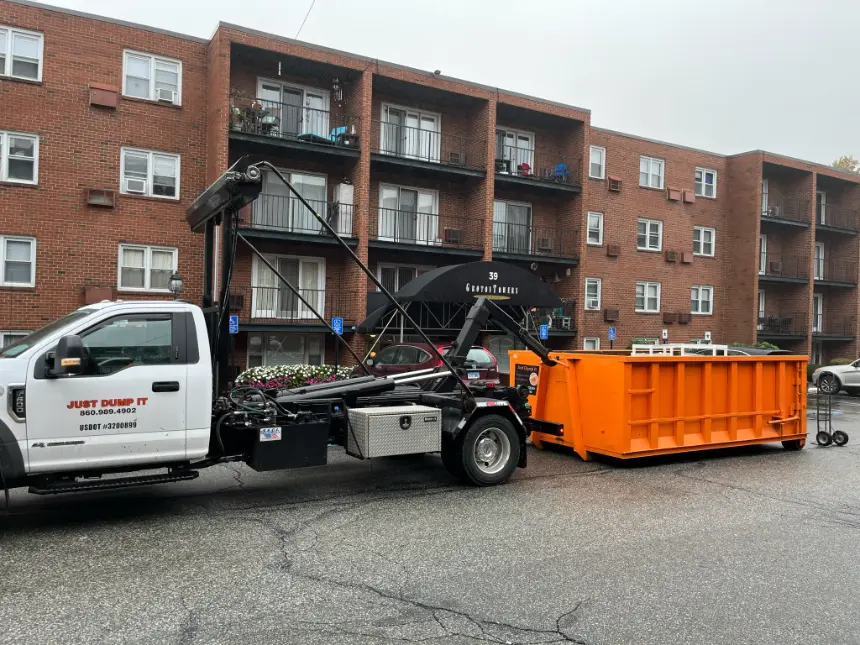
What Happens From Dumpster Drop-Off to Pickup?
Dumpster rental gives you a container at your property so you can work through a cleanup on your own schedule. Instead of making repeated disposal trips, you load debris as the project moves along. Once the rental period ends, we pick up the dumpster and handle disposal, with recycling prioritized whenever possible.
1
Choose Your Dumpster and Schedule Delivery
Start by thinking about what you are clearing and how much material the project may create. Our dumpster rental options, for example, include 10-, 15-, 20-, and 25-yard containers, with one- and two-week rental periods.
2
Fill the Dumpster During Your Rental
Once the dumpster is delivered, you can load it as you clean, renovate, declutter, or work through the property. That gives you room to move at your own pace instead of trying to finish everything in one afternoon.
3
Have the Dumpster Picked Up
When the rental period is over, the dumpster is collected. If your project changes, it is better to ask about timing before assuming the container can stay longer.
What Is the Smallest Dumpster to Rent?
If you are looking for the smallest dumpster to rent, a 10-yard container is a common starting point for smaller cleanup jobs. It can work well when regular trash pickup is not enough, but a larger dumpster would leave you paying for space you may not use.
The right size still depends on what you are throwing away and how much room bulky items will take up, so it helps to think about the whole project before choosing a container. Bulky items can fill a dumpster faster than their weight might suggest, while dense renovation debris can create the opposite problem by reaching the weight allowance before the container looks full.
We ask what you are removing, not just how large the cleanup area is, before recommending a dumpster size.
Here is a quick way to compare the sizes:
Dumpster Size | Projects to Consider |
10 yard | Smaller cleanups |
15 yard | Garage cleanouts, small renovations, yard waste |
20 yard | Larger home cleanouts, remodeling, roofing |
25 yard | Large cleanouts, construction debris, commercial projects |
If one size already looks like a better fit, you can take a closer look at the 15-yard dumpster, 20-yard dumpster, or 25-yard dumpster before making your choice.

How Much Does Dumpster Rental Cost?
Dumpster rental cost depends on more than finding the lowest starting price. Size, rental length, included weight, the materials you are loading, and added charges for certain items can all affect what you pay. Comparing those details gives you a better picture than choosing a dumpster based on the lowest advertised price alone.
If you are comparing affordable dumpster rentals, look at:
- Dumpster size
- Length of the rental
- Included tonnage
- Possible charges for extra weight
- Added fees for certain materials or items
The bigger the cleanup, the more room and weight capacity you may need. Included weight can also vary by dumpster size, so it helps to compare both container capacity and tonnage before choosing. Picking a dumpster that matches the job from the start can make the whole rental easier to manage.
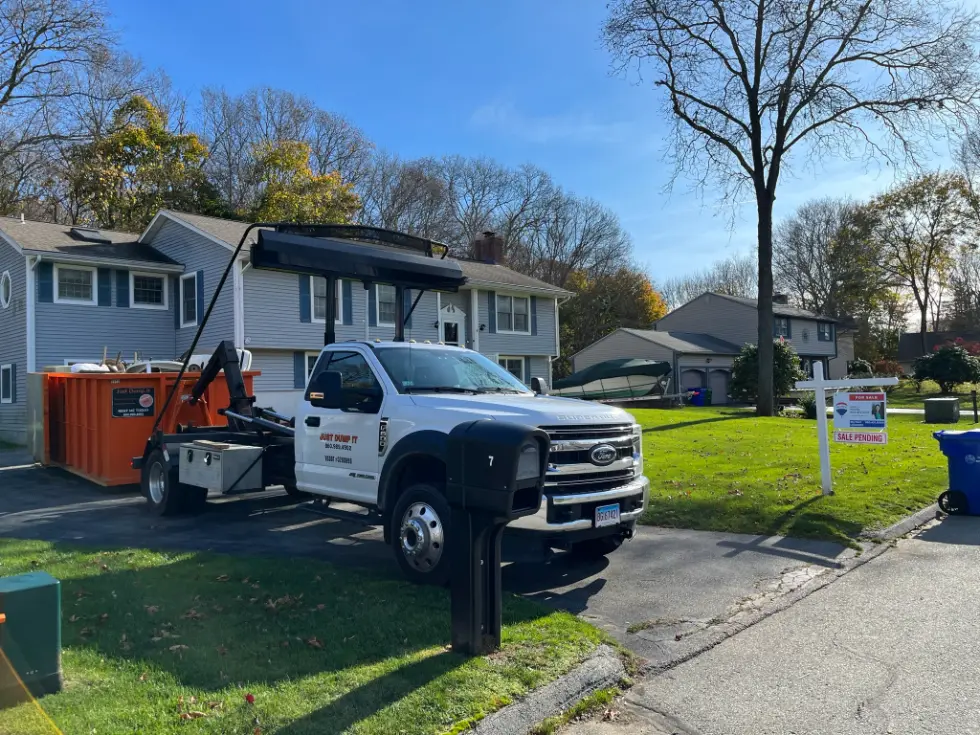
What Can You Put in a Rental Dumpster?
Standard dumpsters can handle many common cleanup and project materials, but some waste needs a different disposal route. Knowing what belongs in the container before you start loading can save you from removing items later, avoid disposal problems, and help you plan ahead for materials that require special handling.
You can typically put in:
- Household junk
- Furniture
- Appliances
- Construction materials
- General debris
Keep out:
- Hazardous materials
- Liquids
- Chemicals
- Asbestos
- Pressurized containers
Connecticut residents should also be careful with household hazardous waste. The Connecticut Department of Energy and Environmental Protection provides local household hazardous waste collection information and recommends checking with your local program for restrictions before bringing materials to a collection event.
That matters on renovation jobs in particular. The EPA estimates that the United States generated 600 million tons of construction and demolition debris in 2018, including materials such as concrete, wood, drywall, steel, brick, and asphalt shingles.
Should You Rent a Dumpster or Use Junk Removal?
Rent a dumpster when you want to do the loading yourself over several days. Choose full-service junk removal when you would rather have the lifting, loading, and hauling handled for you. The right choice comes down to how you want to work through the cleanup, not simply how much stuff you have.
A dumpster often works well for a renovation, ongoing cleanout, or project where debris appears a little at a time. Junk removal may make more sense when everything is already there, and you want it loaded and gone without doing the heavy work yourself.
Make Your Cleanup Easier From the Start
Dumpster rental works best when the container size, rental period, and type of debris match the project from the beginning. A little planning can keep piles from taking over the driveway and save you from making repeated disposal trips while you are trying to finish the work.
At Just Dump It, we offer dumpster rental for projects in Old Lyme, East Lyme, Old Saybrook, and surrounding Connecticut communities. If you are still wondering how dumpster rental works, tell us what you are clearing, and we can help you choose a size that fits the job.
FAQs About Dumpster Rental
How do I know what size dumpster I need?
Think about the whole project, not just the first pile you plan to throw away. The right dumpster size depends on:
- The type of cleanup or renovation
- How much material you expect to remove
- Whether bulky items will take up extra space
- How quickly the dumpster may fill
We currently offer 10-, 15-, 20-, and 25-yard dumpsters. If you are between sizes, call us and describe the cleanup to give us a better idea of what you are dealing with before delivery.
What is the smallest dumpster to rent from Just Dump It?
The smallest current option is a 10-yard dumpster. Larger choices include 15-, 20-, and 25-yard containers. The right size depends on the job rather than automatically choosing the smallest dumpster to rent, since running out of room in the middle of a cleanup can make the project harder.
How long can I keep a dumpster?
Just Dump It offers one-week and two-week dumpster rental periods. Choose the timeframe based on how quickly you expect to work through the cleanup. If your project schedule changes, contact us rather than assuming the dumpster can remain past the agreed rental period.
Can I put hazardous materials in a dumpster?
No. Some materials need different handling and should stay out of a standard dumpster, including:
- Hazardous materials
- Chemicals
- Liquids
- Asbestos
- Pressurized containers
Connecticut DEEP also provides household hazardous waste collection information for materials that need a different disposal route. If you are unsure about an item, check before placing it in the container.
Are the cheapest dumpster rentals always the best choice?
Not necessarily. A low starting price does not tell you the container size, included weight, rental length, or possible added charges. We recommend choosing a dumpster based on the actual project. Comparing what is included can help you find an affordable dumpster rental that fits the cleanup instead of simply choosing the lowest advertised number.